Bare
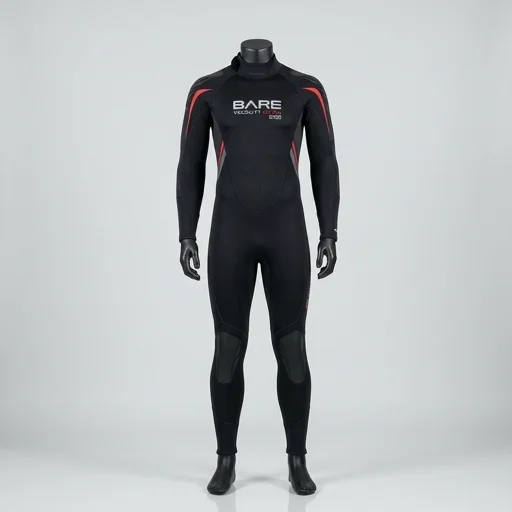
Bare Velocity Ultra Wetsuit
- Ultra-flexible neoprene stretch
- Superior cold-water warmth
- Durable reinforced seams
As an Amazon Associate we earn from qualifying purchases.
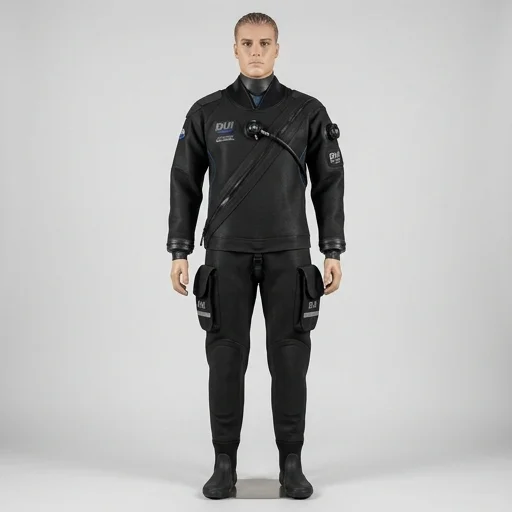
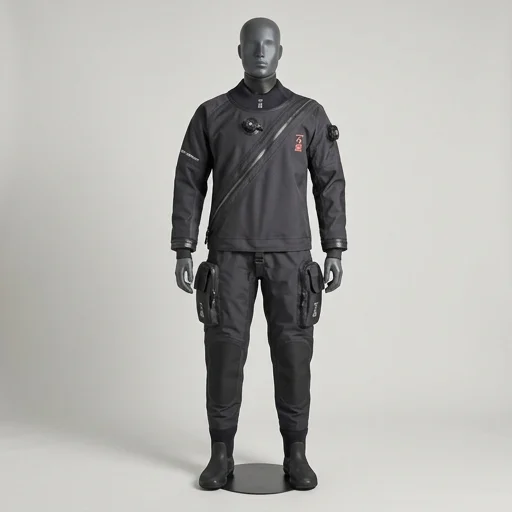
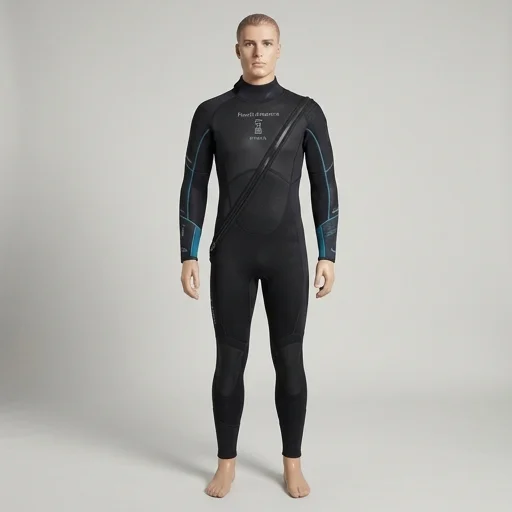
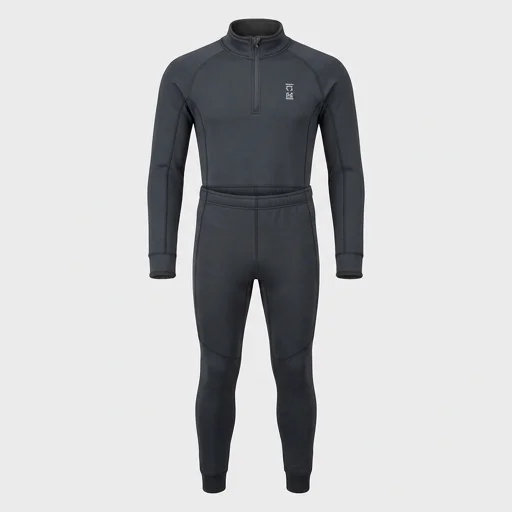
The Fourth Element Thermocline is a well-engineered mid-layer that strikes a strong balance between warmth, packability, and comfort for drysuit divers.
| Material | Bonded two-layer thermal fabric |
|---|---|
| Thickness | Approx. 3mm loft |
| Weight | Approx. 650g (size M) |
| Closure | Hook-and-loop neck tab |
| Fit Type | Unisex, true-to-size (runs slightly small) |
Fourth Element Thermocline is a undersuit from Fourth Element, rated 4.4 out of 5 and placed 12 of 26 in our exposure suits shortlist. Its defining number is weight: Approx. 650g (size M). It scores hardest on bench performance (77/100) and softest on value for money (54/100). The clearest advantage divers report: excellent warmth-to-thickness ratio.
The Fourth Element Thermocline is a well-engineered mid-layer that strikes a strong balance between warmth, packability, and comfort for drysuit divers. It's not a substitute for a full undersuit in very cold water, but as a versatile thermal layer for temperate to cool conditions, it performs reliably dive after dive.
The Fourth Element Thermocline is a versatile undersuit engineered for divers who need a reliable thermal layer beneath a drysuit across a range of water temperatures. Built from a brushed thermal fabric, it strikes a balance between warmth and breathability, making it suitable for temperate to warmer diving conditions where a full-thickness undersuit would cause overheating. The construction is designed to trap a thin layer of air close to the body, enhancing insulation without adding bulk, which is particularly valuable for divers who want to maintain streamlined mobility underwater while still staying comfortably warm during long dives or multiple repetitive dives in a day.
One of the standout features of the Thermocline is its moisture-wicking capability, which helps keep divers dry and comfortable both before and after dives, as well as during surface intervals. The fabric is designed to manage perspiration effectively, reducing the clammy feeling that can occur with less breathable undersuits, especially in warmer climates or when suiting up before entering the water. The ergonomic cut of the suit follows the body's natural movement patterns, with articulated knees and shoulders that reduce restriction, allowing divers to move freely whether they are finning, adjusting equipment, or performing tasks that require flexibility, such as underwater photography or technical diving procedures.
Durability and practicality are also central to the design of the Fourth Element Thermocline, with reinforced stitching in high-wear areas such as the knees and seat to withstand the rigors of repeated use and the friction that comes from drysuit compatibility. The suit typically features a low-profile design with flatlock seams to minimize bulk under a drysuit, ensuring a comfortable fit without unnecessary pressure points. Its compact packability also makes it a practical choice for traveling divers who need efficient use of luggage space, while still delivering dependable thermal protection across a variety of diving environments, from tropical waters requiring light insulation to cooler seas where an extra thermal buffer beneath a drysuit is essential.