Atomic Aquatics Z3 Fins
Split blades on a monocolumn stringer with stainless spring straps: low kick effort at 1.4 kg per fin, blades replaceable rather than binned.
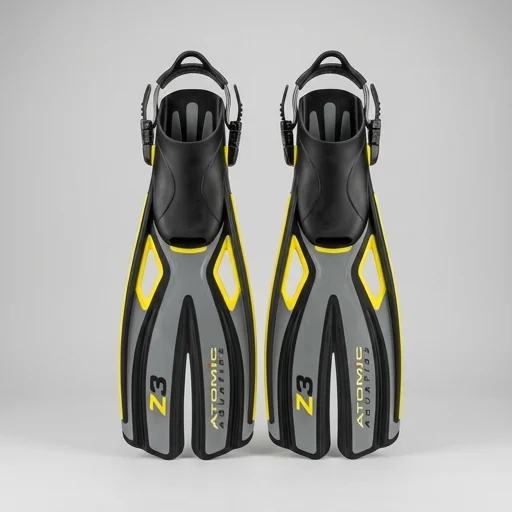
| Fin Type | Split blade |
|---|---|
| Buckle System | Stainless steel spring BLADE Lock |
| Weight (per fin) | 1.4 kg |
| Material | Monprene blade and foot pocket |
| Available Sizes | XS - XXL |
At a glance
The Z3 is a split-blade open-heel fin weighing 1.4 kg per fin, built in Monprene with a monocolumn stringer and Atomic's BLADE Lock stainless spring buckle. Blades are interchangeable, and the buckle carries a lifetime guarantee. Sizes run XS to XXL and the foot pocket takes bare feet or dive boots.
What the fins actually gives you
Where it wins and where it costs you
Split blades trade precision for efficiency, and the Z3 is the clearest example of that bargain done well: kick effort drops noticeably on long swims and against current, and leg fatigue with it. The stainless spring straps solve the single most common fin failure. Frog kicks are less precise than with a paddle blade, and these are bulky to pack.
Full review: Atomic Aquatics Z3 Fins
The Z3's blade is split, with a monocolumn stringer running through it rather than the rigid side rails most fins use. The split lets water pass through the blade on each stroke instead of being pushed entirely, which is why kick effort drops so sharply — divers report the difference first on long surface swims and when finning into current, where a paddle fin burns the calves. Weight is 1.4 kg per fin and the blade material is Monprene, flexible enough to load naturally without collapsing.
Atomic's BLADE Lock buckle uses a stainless steel spring rather than a rubber strap, and this is the durability story. Rubber straps perish, stretch and snap, usually at the least convenient moment; a spring strap holds constant tension for years and makes getting the fin on and off far easier over thick drysuit boots. The buckle carries a lifetime guarantee, and the blades themselves are interchangeable, so a damaged blade is a part rather than a new pair of fins.
The trade-offs are inherent to the design. A split blade gives less precise control in a frog kick, which matters if you dive silty caves or wrecks where propulsion technique is deliberate rather than continuous. Turning response is softer than a stiff paddle fin, so technical divers who want immediate directional bite will find it vague. And they are bulkier than travel-specific fins, so a Z3 pair eats real space in a checked bag. For open-water diving with long swims, the efficiency wins.
More fins we tested
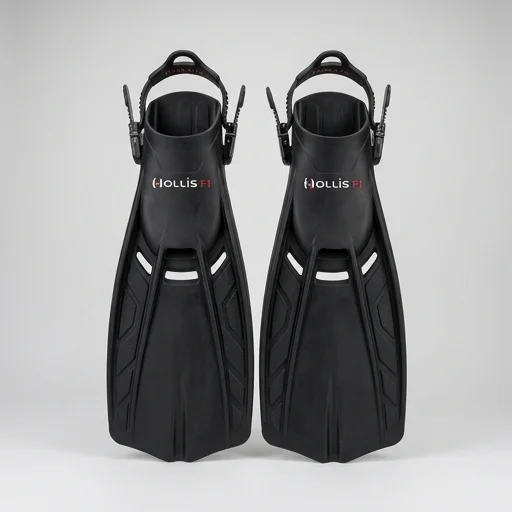
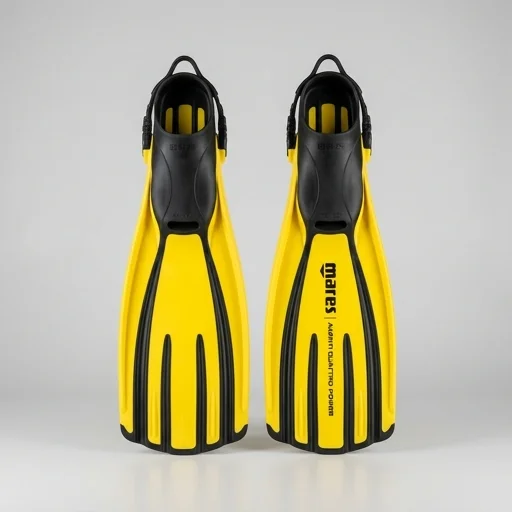
Mares Avanti Quattro Power Fins
- Powerful four-channel thrust
- Comfortable non-slip strap
- Durable rugged construction
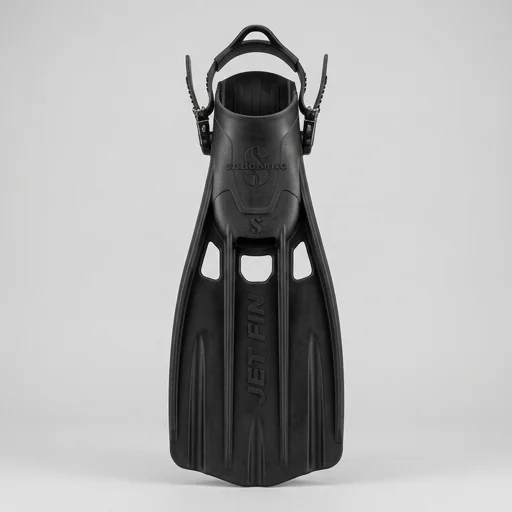
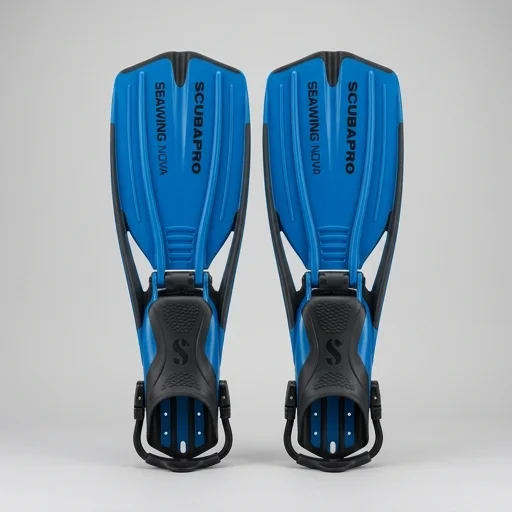
Scubapro Seawing Nova
- Powerful pivoting blade thrust
- Reduced leg fatigue
- Comfortable spring strap fit